



Oil pressure light: what it means and why it matters
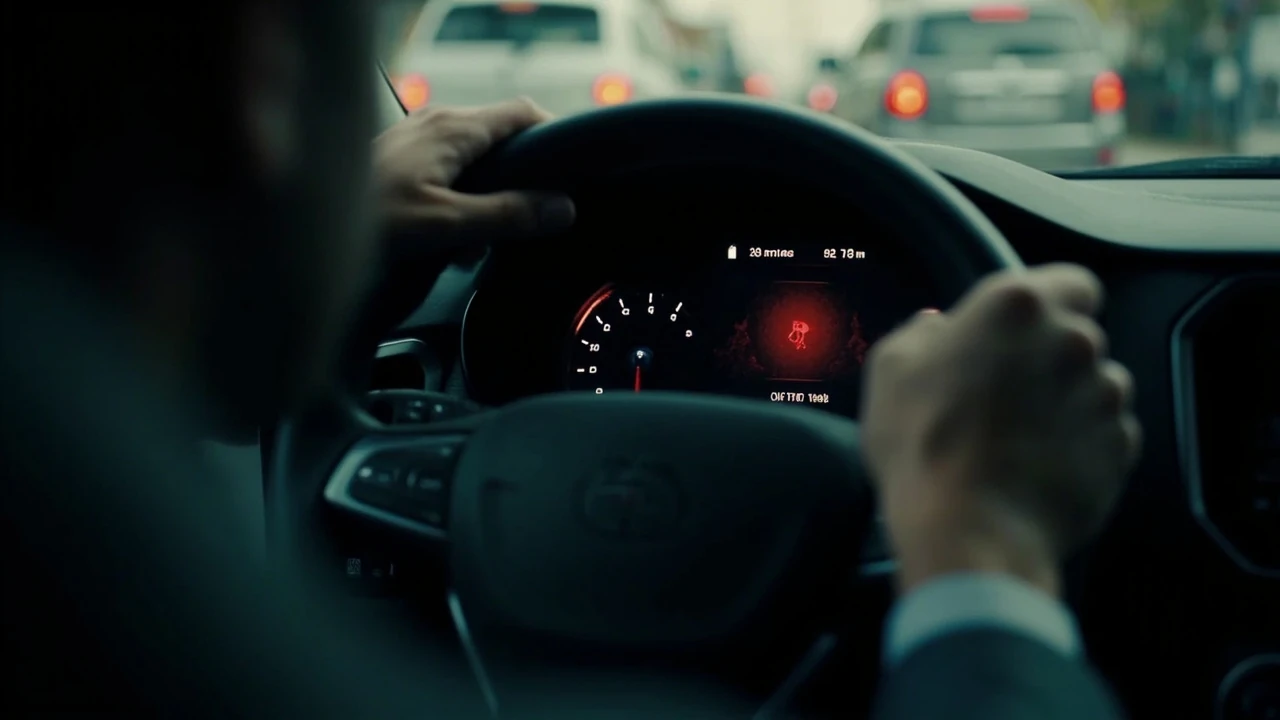
A red oil pressure light on the dashboard means the vehicle’s lubrication system has detected a pressure problem, or the warning circuit believes it has. The light may appear briefly while the engine starts, especially during a cold start, but a steady light after the engine is running deserves immediate attention. Oil pressure supports the oil film between moving engine parts, and a loss of pressure can allow metal surfaces to touch, heat, and wear rapidly.
The warning does not always identify the failed part. It may mean the oil level is low, oil is flowing poorly, a pressure sensor is reporting an incorrect value, or the engine is developing a more serious fault. The correct response depends on what the vehicle is doing, whether the light is red or amber, and whether there are accompanying symptoms such as knocking, overheating, or a loud oil-pump noise.
Here is the essential rule: if the oil pressure light stays on after the engine warms up, do not treat it as a routine bulb check. Stop the vehicle safely, switch off the engine, and check the oil level before making a long drive. If the oil level is dangerously low or the engine is making unusual noises, stop using the vehicle and arrange professional assistance. The owner’s manual for the specific vehicle remains the best source for its warning-light rules and oil specifications.
What the different warning shapes and colors usually mean
Warning-light design varies by manufacturer, but the general distinction is useful. Some vehicles use a red oil-can symbol for a serious pressure problem. Others use an amber oil-pressure symbol to indicate a warning that needs attention soon. A separate yellow oil-level symbol may mean something different: the engine may require oil to be added, but the system may still have enough pressure to protect the engine for a limited time.
| Dashboard indication | Likely meaning | Recommended response |
|---|---|---|
| Light flashes briefly at startup | The oil-pressure switch or sensor may take a moment to register pressure during a cold start. | Confirm that it goes out after the engine starts. Continue investigating if it remains on. |
| Red oil-can light remains on | Actual oil pressure may be below the vehicle’s required range. | Stop safely, check the oil level, and do not continue driving until the cause is understood. |
| Amber oil-pressure light remains on | The manufacturer may use the light for a less urgent pressure or oil-system fault. | Follow the owner’s manual and schedule a prompt inspection if the engine runs normally. |
| Separate yellow oil-level symbol | The oil level may be low, but the light may not represent a direct pressure-sensor reading. | Check the dipstick or oil level promptly and use the specified oil when adding fluid. |
How the oil pressure system creates and reports pressure
The engine’s oil pump draws oil from the sump and moves it through passages called galleries and passages to the main bearings, connecting-rod bearings, camshaft bearings, and other lubricated components. A pressure regulating valve limits the maximum pressure by diverting excess oil back toward the sump. The pressure that reaches the bearings depends on the pump, oil viscosity, oil temperature, engine speed, restrictions in the oiling system, and the amount of flow needed by the engine.
Understanding the mechanics of engine oil pressure helps distinguish a genuine lubrication failure from a warning-circuit issue. The supplied overview of oil pressure and pressurized engine lubrication explains how a positive-displacement pump sends oil through galleries and bearings. It also notes why pressure can be lower during hot idle and why excessive pressure can point to restrictions or the wrong oil viscosity.
Two different systems turn pressure information into a dashboard warning. Some engines use a mechanical or electronic oil-pressure switch. The switch closes or changes its electrical state when pressure crosses a preset threshold, completing the warning-light circuit. Other vehicles use an oil-pressure sensor that sends a variable electrical signal to the instrument cluster. A gauge-equipped vehicle may display a numerical pressure reading in addition to, or instead of, a simple warning light.
Neither approach is a complete laboratory measurement. A switch knows only whether pressure is above or below its set point. A sensor can lose accuracy, suffer an electrical fault, or respond incorrectly because of wiring problems. Conversely, actual bearing damage can begin before a driver notices an obvious symptom. The light is therefore a serious prompt for investigation, not a complete diagnosis.
Why pressure changes with temperature and engine speed
Oil viscosity changes with temperature. Cold oil is generally thicker and can produce a higher reading at the same engine speed. As the oil warms, it flows more readily and pressure may fall. Because engines often use a pressure sensor calibrated to a particular operating state, manufacturers commonly specify the minimum acceptable pressure at hot idle. A gauge reading must therefore be compared with the vehicle’s specification, not with a universal number found online.
Engine speed also affects pressure. As the oil pump turns faster, it can move more oil, but the pressure available at the bearings changes according to the engine’s flow requirements and restrictions. That is why a comparison made at one engine speed may not predict a reading at another. The key is consistency with the manufacturer’s test conditions: correct oil, correct level, engine temperature, and specified engine speed.
What to do when the oil pressure light comes on
The safest response depends on whether the light behaves like a momentary startup message or a sustained fault. A light that clears after a few seconds and produces no unusual sound or performance change may be normal on some vehicles. A light that stays illuminated, flickers, or returns whenever the engine idles deserves a more cautious approach.
- Reduce speed and find a safe place to stop. Avoid making abrupt maneuvers, especially if the engine is knocking, the oil-pressure warning is flashing, or the vehicle is losing power.
- Check for immediate warning signs. Listen for metallic knocking, grinding, or a whining oil-pump sound. Note whether the temperature warning is also illuminated or the engine is overheating.
- Turn off the engine and allow it to cool before opening the hood. Hot engine oil can cause severe burns.
- Locate the engine oil dipstick and check the level. Park on level ground, set the parking brake, and follow the vehicle’s specified checking procedure. Some vehicles require the engine to be running or several minutes after shutdown, so the owner’s manual matters.
- Add the correct oil if the level is low. Use the viscosity and specification listed for the engine. Check the level again after adding oil. Overfilling can also create problems and should be avoided.
- Do not keep driving if the light remains on. If the warning persists, the pressure is still inadequate or the gauge circuit is reporting a fault. Arrange towing or roadside diagnosis when the vehicle cannot be inspected safely where it stopped.
When the vehicle should not be driven
Do not continue operating the engine if the oil pressure light remains on after you have addressed a low oil level. Also avoid driving when the warning is accompanied by any of the following:
- Loud knocking, clattering, grinding, or a steady whine from the engine
- Visible oil leakage around the oil pan, filter, front cover, or cylinder head area
- Low oil pressure plus an overheating temperature warning
- A sudden loss of engine power, severe shaking, or repeated warning-light flashing
- Oil that appears heavily contaminated, milky, or mixed with fuel or coolant
A red warning with serious mechanical symptoms is more urgent than a steady light with a quiet engine. However, even a quiet engine may have a developing lubrication problem. Drivers should not use the absence of noise as proof that it is safe to continue.
Common causes of low oil pressure
Low oil pressure is a condition, not a single repair. Several components can produce the same dashboard warning. Diagnosing the underlying issue requires checking the oil and its circulation path before assuming the most expensive component has failed.
| Possible cause | Clues or symptoms | What the diagnosis involves |
|---|---|---|
| Low engine oil level | The warning appears after time or mileage, leaks are present, or the dipstick reads below the required range. | Find the source of consumption or leakage, correct the level, and determine why the oil is being lost. |
| Oil pressure switch or sensor fault | The light may remain on even though an independent mechanical gauge shows normal pressure. | Compare sensor data with a known-good gauge and inspect the wiring, connector, and oil-pressure sending unit. |
| Failed oil pump or worn pump | Low or fluctuating readings, especially at idle; a whine may accompany the fault. | Measure pressure and inspect pump operation, relief-valve behavior, and lubrication-related damage. |
| Clogged oil filter or blocked oil gallery | Pressure can be low or unusually high depending on where the restriction is located. | Inspect the filter, oil passages, and oil condition for contamination or incorrect installation. |
| Internal engine leak | Oil pressure falls rapidly, and the sump may fill with fuel or coolant. | Check fluid levels, compression, and signs of head gasket, cylinder, or other internal damage. |
| Wrong or degraded oil | The wrong viscosity was installed, oil is badly contaminated, or the service interval was substantially exceeded. | Verify the required specification, inspect a sample, and replace the oil and filter with the correct products. |
Oil level, oil condition, and engine damage
Low oil level is often the first thing to check because it is visible and inexpensive to inspect. However, adding oil does not correct every low-pressure condition. If the engine has consumed oil rapidly, the level may drop again quickly. A leak, failed seal, damaged bearing, or internal sealing failure may be responsible. Repeatedly topping up without finding the reason can hide a developing problem.
Oil condition also matters. Oil that is heavily contaminated, aerated, watery, or filled with combustion products may not form the intended film. Aerated oil can reduce apparent pressure because bubbles interrupt fluid flow. A wrong viscosity can change the gauge reading and lubrication behavior. For example, oil that is much less viscous than specified may produce lower pressure, while overly thick oil can restrict flow or cause other starting and pumping problems.
Low pressure can also be a consequence of internal engine damage. If a bearing or seal fails, oil can escape faster than the pump can replace it. Running an engine in this condition can damage rotating parts, pistons, and cylinder walls. Once significant internal damage occurs, replacing the oil pump alone will not restore a healthy engine.
Why a pressure reading can be misleading
An oil pressure warning is useful because it draws attention to a system the driver cannot see. It is less useful when a driver assumes the light proves one specific part has failed. The dashboard light may be accurate, delayed, intermittent, or electrically false. A careful diagnosis separates the measurement from the part that produced it.
Sensor versus actual mechanical pressure
A faulty sending unit, damaged connector, corroded wiring, or a failed instrument-cluster input can light the warning even when the pump is maintaining adequate pressure. Conversely, an aging sensor can fail to illuminate the light when pressure is genuinely too low. These electrical problems are especially common on vehicles with high mileage, aftermarket alarms, or wiring routed near moving engine components.
One useful cross-check is to compare the dashboard reading with an independent mechanical or high-quality diagnostic gauge. The gauge must be connected correctly and used under conditions that match the manufacturer’s test procedure. If the two disagree, the problem may lie in the sensor circuit or the measuring process rather than in the engine’s lubrication system.
Hot idle is the critical test condition
Many oil-pressure specifications are given at hot idle because this is one of the conditions where adequate pressure is hardest to maintain. A reading taken immediately after a cold start may look healthy, then fall as the oil warms. Some vehicles also require the oil to reach a specified temperature before the gauge is checked.
Do not compare a pressure reading with a generic threshold found in another vehicle’s manual. Engines, pumps, oil viscosity requirements, and warning calibrations differ. A reading that would be unacceptable on one engine may be normal on another. The vehicle’s service information remains the proper reference.
Diagnosing the warning without replacing parts blindly
A structured diagnosis saves time and prevents an expensive pump or sensor replacement from leaving the real problem untouched. Begin with the simplest checks and move toward more involved testing only when the evidence supports it.
Start with a visual and oil-level inspection
Open the hood only after the engine has cooled. Look beneath the vehicle for fresh oil, especially around the oil pan, filter housing, and front engine cover. Check whether the dipstick is bent, the oil level is below minimum, or the oil has an unusual texture or color. Inspect the oil cap and surrounding area for oil contamination.
Make sure the correct oil is installed. The label on the oil container is not enough; the vehicle may require a particular viscosity, specification, or approval. Also confirm that the filter and drain plug are properly installed. A loose drain plug or poorly sealed filter can reduce the oil level quickly enough to cause a low-pressure event.
Check the warning circuit and compare readings
If the oil level is correct and no leak is visible, the next question is whether the engine truly has low pressure. A technician may inspect the oil-pressure switch or sensor, its wiring, the instrument-cluster signal, and the engine’s diagnostic data. Comparing that information with an independent gauge can reveal an electrical fault without replacing internal engine parts.
Measure pressure and inspect the lubrication path
If the warning appears genuine, the oil pump, relief valve, filter, galleries, and engine passages need evaluation. Pressure testing under controlled conditions can help identify reduced pump capacity. The oil filter should be checked for installation problems, blockage, or incorrect parts. The oil itself may be sent for analysis when contamination is suspected.
Repairs should follow the test results. If a failed pump caused low pressure, the engine also requires inspection for damage that occurred while pressure was inadequate. Bearings, journals, camshafts, and other lubricated surfaces may have scored or worn. A new pump will circulate oil more effectively, but it cannot restore damaged bearing surfaces.
Preventing repeat oil pressure problems
Most prevention is straightforward: use the specified oil, maintain the correct level, replace the filter at the proper interval, and investigate unusual oil consumption promptly. The service interval alone does not protect an engine if the wrong fluid is used or a leak is ignored.
- Follow the oil specification: Use the viscosity, performance standard, and any manufacturer approval printed in the owner’s manual or on the engine’s oil-fill label.
- Check the level between services: Vehicles can consume oil through normal wear, leakage, or component problems, so waiting for a scheduled service may be too late.
- Investigate a rising dipstick reading: Fuel or coolant in the oil can point to an internal sealing problem and should not be ignored.
- Record recurring warning lights: Note whether the light appears at startup, during idle, under acceleration, or only when the engine is hot.
- Replace the filter with the correct part: A wrong filter design or faulty installation can affect flow and sealing.
- Address leaks and unusual noises promptly: Oil spots under the car, a low level, knocking, or a persistent whine deserve inspection before another long drive.
Choosing the correct oil matters because viscosity and additives affect pressure and lubrication at different temperatures. For guidance on the cost and process of a full synthetic oil change, see How Much Is a Full Synthetic Oil Change? The figures vary by vehicle and service location, so the local shop’s estimate should be compared with the model-specific oil requirement.
Temperature and fluid level can also affect several dashboard systems at once. If both an oil warning and an overheating indicator appear, each fault must be assessed separately rather than assuming one warning caused the other. Our guide to engine coolant over temperature warnings explains how to distinguish a cooling-system problem from unrelated dashboard alerts.
Related checks for common dashboard warnings
Dashboard lights often appear together because several systems share fluid, sensors, or electrical circuits. When an oil pressure light appears, note every other illuminated indicator and record the conditions. That observation can help a technician reproduce the problem and avoid replacing components based on assumptions.
Before requesting service, record the odometer reading, the oil level, whether the engine was cold or warm, the engine speed when the warning appeared, and any noise or performance change. If the light remains on with low oil pressure symptoms, request a tow rather than driving to the repair shop. Clear, specific observations make a diagnosis faster and help protect the engine from additional damage.
Frequently asked questions
Can I drive with the oil pressure light on?
Do not continue driving if the oil pressure light remains illuminated after the engine starts, especially if the engine is knocking, overheating, leaking oil, or losing power. A light that appears only during a cold start and then clears may be normal on some models, but you should verify that behavior in the owner’s manual. If the warning returns or stays on, have the oil level checked and arrange prompt diagnosis.
Why did the oil pressure light come on for a few seconds?
A momentary light during startup can occur while the oil pump begins moving oil and the pressure switch or sensor initializes. It should normally go out once operating pressure is established. If the light flickers, returns after the engine warms, or behaves differently from the normal startup sequence, treat it as a developing fault and have it checked.
What should I do if the oil pressure light comes on while driving?
Reduce speed, avoid sudden acceleration, and pull over somewhere safe as soon as possible. Turn off the engine, allow it to cool, and check the oil level using the proper procedure. If the oil is low, add the specified oil and check for leaks. Do not resume driving if the light stays on or if the engine has any abnormal noise, vibration, smell, or overheating.
Does adding oil fix a low oil pressure warning?
Adding oil can resolve the warning if the cause is simply a low level and no other fault exists. It will not fix a damaged oil pump, blocked passage, failed sensor, wrong oil viscosity, or internal engine leak. If the engine consumes oil rapidly or the oil level falls again soon, the underlying reason for the loss needs investigation.
Can a bad oil pressure sensor cause the warning light?
Yes. A failed sending unit, damaged connector, corroded wiring, or instrument-cluster fault can create a false low-pressure warning. Conversely, a sensor can also fail to report genuinely low pressure. Comparing the dashboard signal with an independent gauge and inspecting the electrical circuit helps determine whether the light reflects a real lubrication problem.
Why does oil pressure change when the engine is hot?
Oil becomes less viscous as it warms, which can reduce pressure at a given engine speed. Hot idle is often the operating condition where the engine has the greatest difficulty maintaining its specified minimum pressure. Compare readings only under the temperature and engine-speed conditions listed in the vehicle’s service information, not with a universal pressure number.
Is it normal for oil pressure to rise when I accelerate?
A temporary increase is normal because the engine oil pump turns faster with engine speed. The reading should settle after acceleration, and the warning light should not remain illuminated. If pressure behaves erratically, drops during idle, or the light appears under acceleration, inspect the sensor, wiring, oil condition, and lubrication system.
Can excessive oil pressure trigger the oil pressure light?
Some warning systems monitor a range rather than only a minimum value, so an abnormal high reading may activate a light or message. High pressure can result from a blocked filter or oil passage, a sticking relief valve, or oil that is much thicker than specified. Do not attempt to correct excessive pressure by changing the oil unless the manufacturer directs you to do so.
What oil should I use after an oil pressure warning?
Use only the oil viscosity and specification required by the vehicle’s owner’s manual and engine-fill label. The correct grade helps the oil flow at cold start and maintain the required film at operating temperature. If the wrong oil was used, the filter should usually be replaced at the same service, but follow the manufacturer’s instructions and the technician’s findings.
Does the oil pressure light always mean the oil pump has failed?
No. The light can be triggered by low oil level, low viscosity, a clogged filter or passage, an internal leak, a sensor fault, wiring trouble, or pump wear. Because several causes can produce the same indication, the pump should be tested rather than assumed to be the failed part. Also inspect the engine for damage if genuinely low pressure was present.
How quickly should an oil pressure light be diagnosed?
Arrange diagnosis promptly after confirming the oil level, and do not delay if the warning returns. A persistent light can allow lubrication-related damage to accumulate during continued operation. Tow the vehicle when it has low-pressure noise, overheating, visible leakage, or power loss. A careful inspection now is safer and often less expensive than replacing an engine after continued running with inadequate lubrication.